
The monetization technique involves promoting affiliate offers to newsletter audiences, which makes one earn commissions. This strategy is different than acting as a mere sales channel for either products or services that you offer.
In this article, you will learn how to monetize your newsletter by getting to a loan marketer and tactics to apply for affiliate marketing within your newsletter which may lead to greater income.
How to Monetize a Newsletter Overview
Step-by-step Guide To Monetization
Now, we will walk through the process of building a monetization strategy for your newsletter that has a strong foundation and is all set for future growth and scalability.

Transform your email newsletter into a revenue-generating asset by integrating sponsored promotions, affiliate links, or even premium subscription tiers for exclusive content access.
First Things First. Do Your Research
The first step in monetizing a newsletter through affiliate marketing is to establish clear goals and objectives. This will help you determine the type of affiliate programs and products that will be the most suitable for your audience.
Identify your target audience and you will be able to select affiliate programs and products that align with their interests and needs, increasing the chances of conversions and driving more revenue for your business.
Getting to know your competitors is another important aspect of your research process. This will help you identify opportunities in the market and learn from their successes and failures.
Finding The Right Program
Once you have established your goals and objectives, and have a clear understanding of the competitive landscape, the next step is to find the right affiliate program. Choosing an appropriate affiliate program that aligns with your niche and audience is crucial.
You should evaluate the commission structure, cookie duration, and other important factors to ensure that the program is a good fit for your newsletter.
A good commission structure, for example, will help you to earn more revenue for your business, while a longer cookie duration will allow you to earn commissions on repeat purchases made by customers who have been referred by your affiliates.
Tracking To Stay On The Track To Success
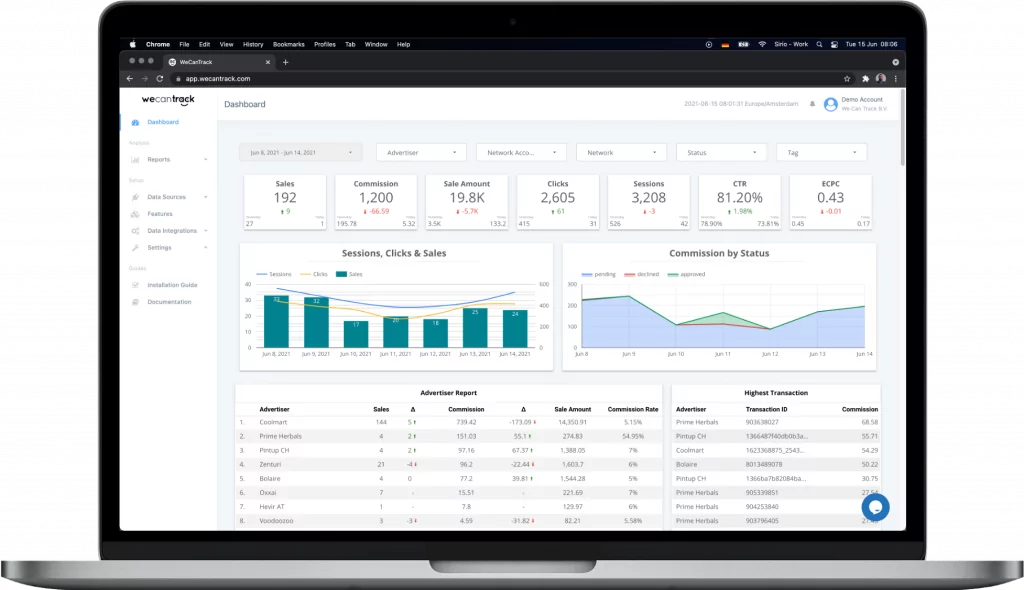
Implementing an effective tracking system like wecantrack is also crucial for the success of monetizing your newsletter.
Setting up cloaked tracking links to monitor clicks, conversions, and commissions is essential for measuring the performance of different newsletters you’ve sent out and the products they promoted.
This will allow you to track the number of clicks, leads, and conversions that your emails generate and have them all reported in one affiliate dashboard.
Utilizing analytics and reporting tools to measure performance will help you to identify areas for improvement and make data-driven decisions.
It’s a precarious balance between putting enough monetization options in your newsletter, and not making them spammy so your subscribers won’t opt out.
This is why tracking is so crucial: it helps you to find that sweet spot for when your newsletters are just right, meaning they are captivating enough for your subscribers to enjoy them, but also feature the right promotions for you to earn your income.
Identifying the best products and services to promote through the newsletter is important. You should focus on products and services that are relevant to your audience and will provide value to them.
Try to serve up these offers in a way that adds value for your subscribers, by writing reviews or making tutorials about the products you’re promoting.
Creating compelling content and calls to action to drive conversions is crucial. This will help to increase the chances of conversions and drive revenue for your business.
Challenges And Solutions
Challenges:
Identifying Profitable Clicks: Not all clicks generated by affiliate links lead to conversions. It can be challenging to discern which clicks are most likely to result in revenue, especially when comparing different links’ performances.
Balancing Quality and Quantity: Striking the right balance between promoting enough affiliate offers to generate revenue and not overwhelming your audience with excessive promotions is a delicate task. It’s crucial to maintain the quality of content while still driving income.
Solutions:
Experimentation with Placement: To address the challenge of identifying profitable clicks, consider experimenting with the placement of affiliate links in your newsletter.
Promoting Relevance and Value: Instead of bombarding subscribers with numerous affiliate offers, focus on promoting one or two offers per newsletter that are highly relevant to your audience. Ensure that these offers provide genuine value and align with your subscribers’ interests to maintain engagement and trust.
Enhancing Quality Through Content: To strike a balance between quantity and quality, consider incorporating content that adds value to affiliate promotions. For instance, instead of merely presenting an affiliate offer, supplement it with a product review or tutorial, providing additional insights and enhancing the user experience.
Leveraging Influencer Marketing: Explore opportunities to collaborate with influencers whose audience overlaps with your newsletter subscribers. Partnering with influencers can expand your reach and introduce your newsletter to new, engaged audiences, increasing monetization prospects.
Staying Informed and Adapting: Keep abreast of the latest trends and advancements in affiliate marketing. Being proactive about learning new technologies and platforms can help you stay ahead of the curve, identify emerging opportunities, and maintain a competitive edge in monetizing your newsletter.
Examples Of Successful Affiliate Marketing Newsletters
Are you looking for examples of what successfully monetized newsletters look like, to get a better understanding of what they look like or to find inspiration for starting your newsletter? Below are some great examples to learn from.
The Wirecutter: This technology-focused newsletter provides reviews and recommendations for a wide range of products, from laptops and smartphones to kitchen appliances and home goods.
The Skimm: This daily newsletter provides a quick and easy-to-digest summary of the day’s top news stories. The Skimm also monetizes its newsletter through affiliate partnerships, promoting products such as books, clothing, and home goods to its audience.
Pat Flynn’s Smart Passive Income: This newsletter is focused on providing tips and strategies for building a successful online business. Pat Flynn, the newsletter’s creator, earns revenue through affiliate partnerships with companies such as Amazon, Bluehost, and Leadpages.
The Sweet Setup: This newsletter provides reviews and recommendations for the best apps and tools for Mac, iPhone, and iPad. The Sweet Setup monetizes its newsletter through affiliate partnerships with companies such as Apple, Google, and Evernote.
The Points Guy: This newsletter provides tips and advice on how to maximize rewards from credit card and travel loyalty programs. The Points Guy monetizes their newsletter through affiliate partnerships with credit card issuers and travel companies such as Chase, American Express, and Marriott.
These are just a few examples of how successful newsletters have monetized their content through affiliate marketing.
Final Thoughts
Affiliate marketing is a powerful and effective way to monetize a newsletter and turn it into a revenue-generating asset. Segmentation of affiliate programs carefully with having in mind commission models, and targeted to the interests of the audience being the main concern.
Find out which of the collaborations appeal to the audience, and from there the marketers can nurture sustainable cash flow while protecting newsletter integrity effectively.
Remember to stay informed about the latest industry trends and developments, stay ahead of the competition, and identify new monetization opportunities.